Phase 01Weeks 1–4
Find the market
Launch on site, map the ecosystem, choose the first customer and size the market.
Program launchEcosystem mapping
Beachhead marketTAM · SAM · SOM

This cycle · STEP 2.5 · Oct 20, 2026 – Jan 29, 2027
Launch on site, map the ecosystem, choose the first customer and size the market.
Put a number on the value, know the competition, plan the route to market, and meet at the mid-program checkpoint.
Validate the business model, get the finances, team and IP ready, and present on Demo Day.


Nothing here stays on a slide. Every weekly output feeds one of these three, so by Demo Day they are finished rather than started.
Not a guess about who might buy. A beachhead market you chose, sized, and then checked with the people actually in it.
The DOST form that funds the next stage — answered a few items a week, so none of it is written the night before the deadline.
Where the technology can go and what stands in its way, written down while the people who can answer are still in the room.
Each one is scored by a three-person panel before the cycle ends, so what you leave with has already been read by people outside your team.
—
Nothing filed under that yet.
Schedule, materials, submissions and feedback live inside STEP Hub during the cycle. Accounts are by invitation from the STEP team.
Everything from this week's learning session in one place: the trainer's slides and worksheets to keep, and the recording to watch if you missed it or want a second look.
Posted by the trainer · stays available all cycle
—
Three panels run in parallel from 9:00 AM. Each team gets thirty-five minutes — a five-minute video, then questions.
—
The same for everyone in the cohort. Your own mentoring slot is arranged with your mentor.
The cohort's group chat has its own tab now, with this week's sessions and deadlines beside it.
—
Online learning sessions, weekly mentoring, Saturday feedback panels, on-site events, and a Demo Day in front of investors and agencies.
The Science and Technology Entrepreneurship Program (STEP) equips scientists and engineers with the entrepreneurial skills to create sustainable business models, prepare successful FASTRAC grant proposals, catalyse the establishment of spin-off companies that commercialize their technologies, and foster a culture of innovation and entrepreneurship that contributes to Philippine economic development.
STEP is the second phase of SPRINT — the Short-term Program for Researchers on Innovation and Technopreneurship — and follows the Filipinnovation Entrepreneurship Corps (FEC). It is funded by DOST-PCIEERD and implemented by the Ateneo Intellectual Property Office.
Train researchers to apply what they learned in FEC and build sustainable business models in a short, focused time frame.
Guide each team through the preparation of a DOST FASTRAC grant proposal.
Foster the creation of spin-offs that commercialize the innovations developed by scientists and engineers.
Promote innovation and entrepreneurship in the Philippines and contribute to economic development.
Every session is scheduled in advance, so teams can plan around their laboratory and teaching loads.
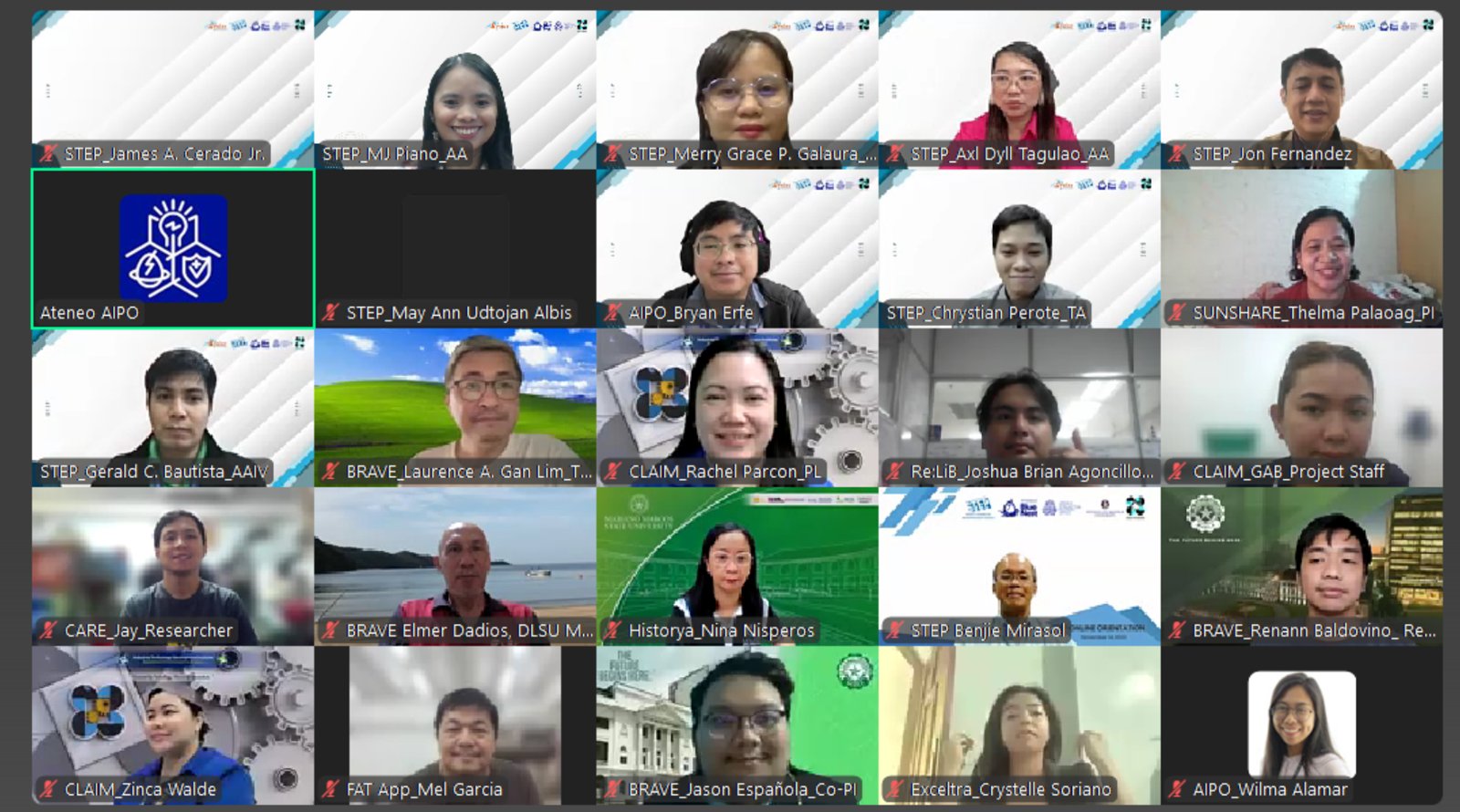
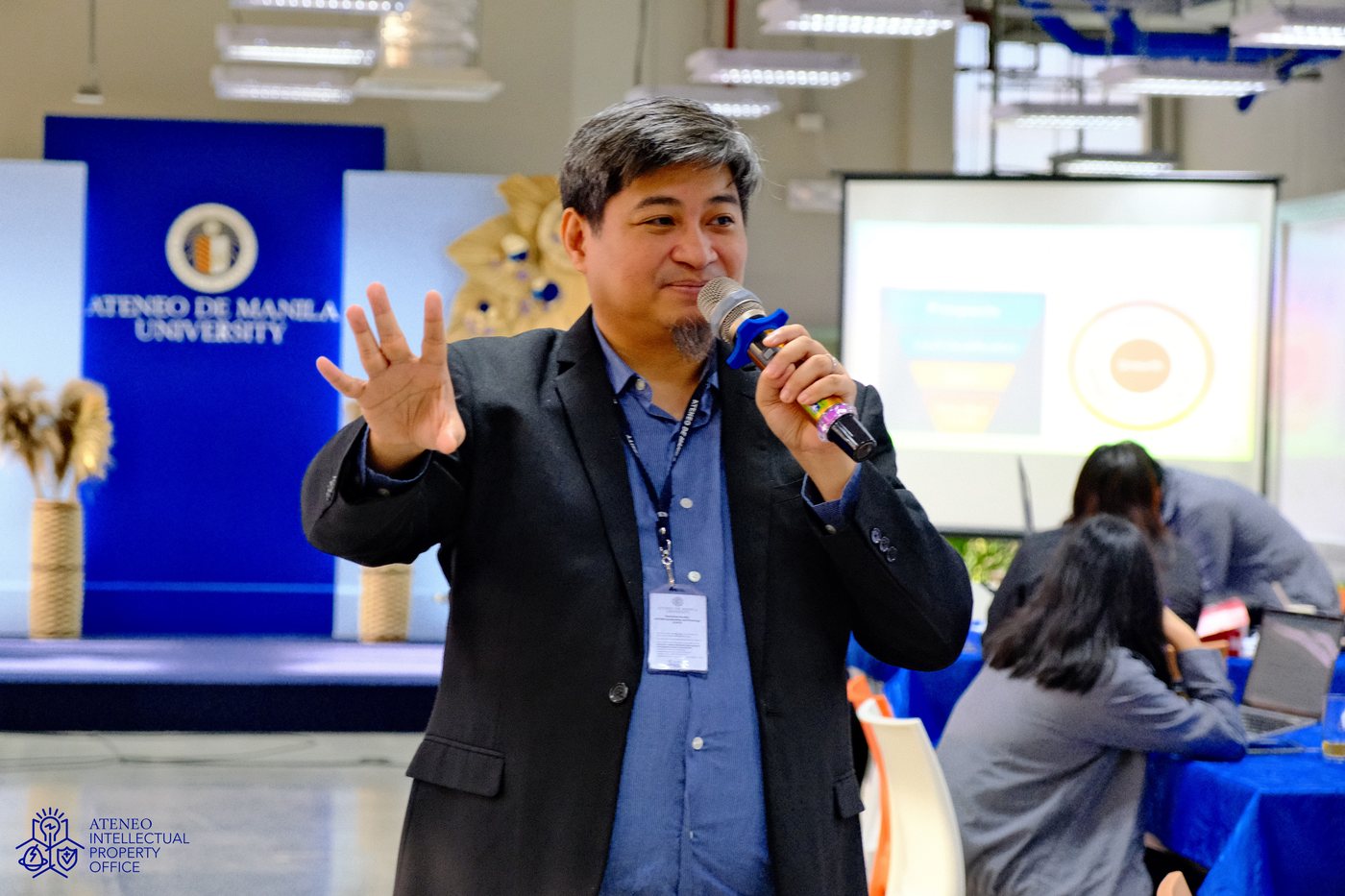
One three-hour Tuesday morning over Zoom, one topic a week, taught by faculty from the Ateneo School of Management and invited specialists. Lecture, discussion, and a worked exercise on the team's own technology — you leave with the week's work already started.
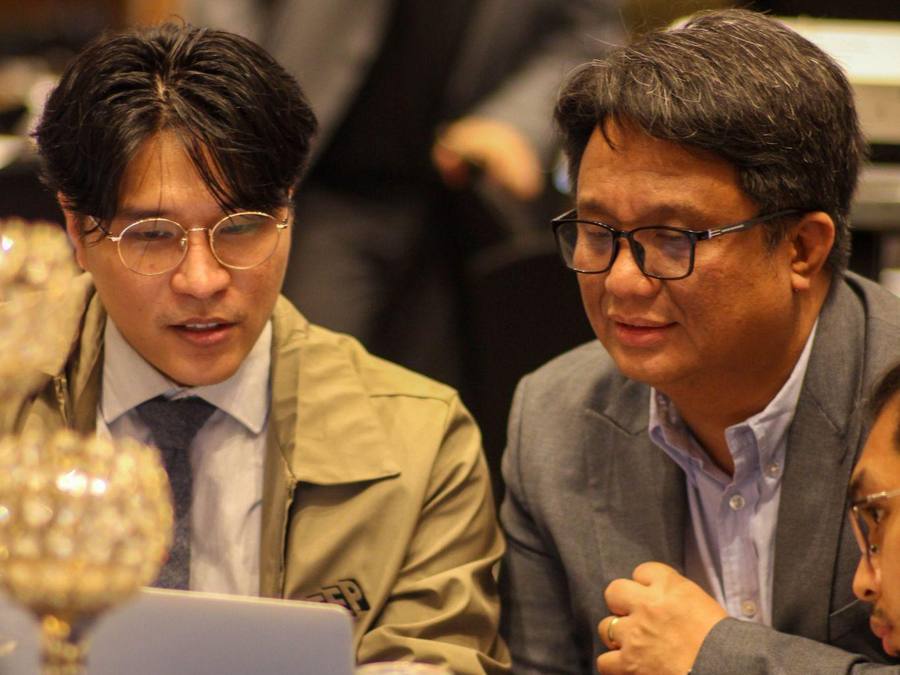
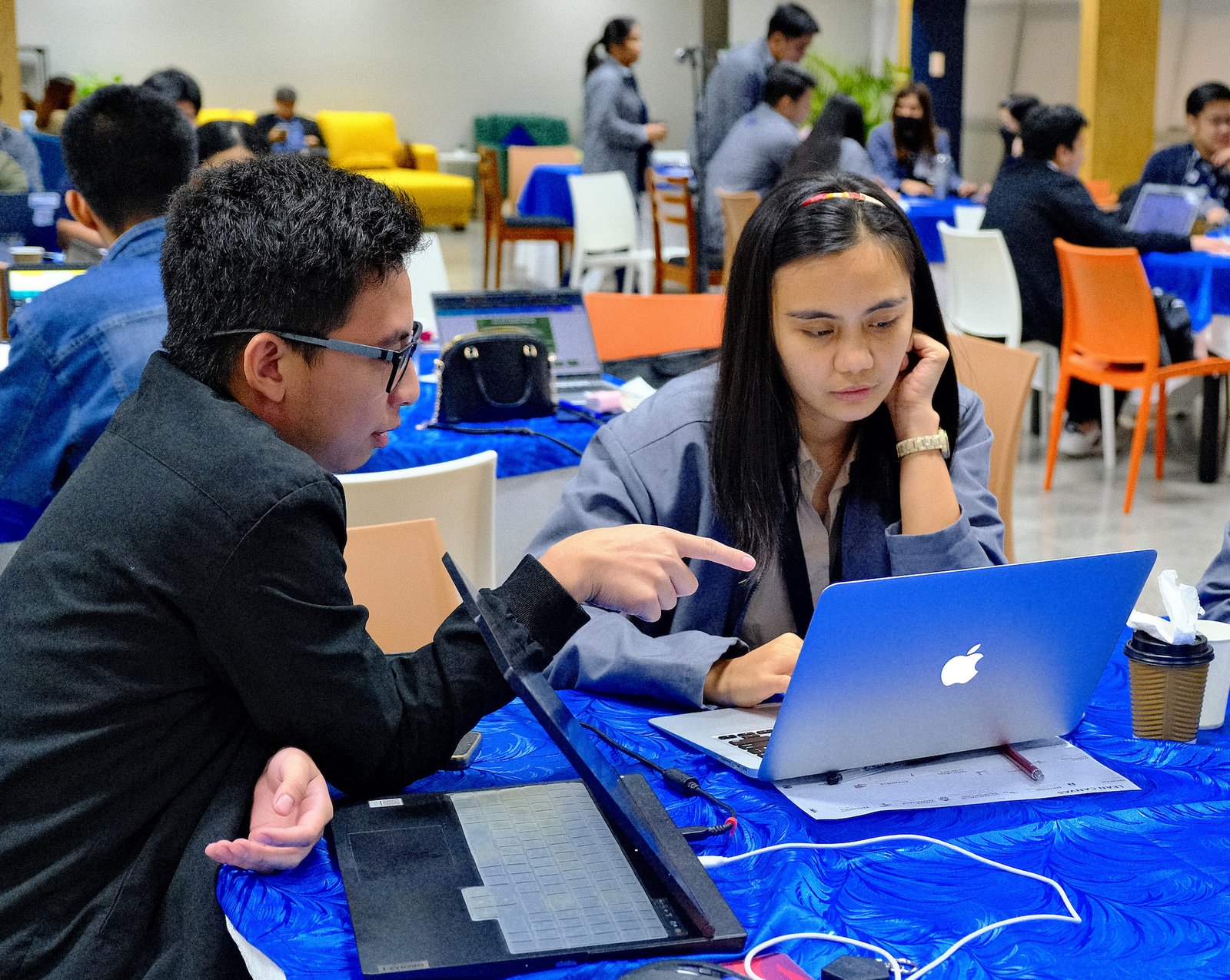
Every team is paired with a mentor drawn from business practitioners and faculty. An hour and a half a week to work through the assignment, prepare for Saturday, and decide what to test next.
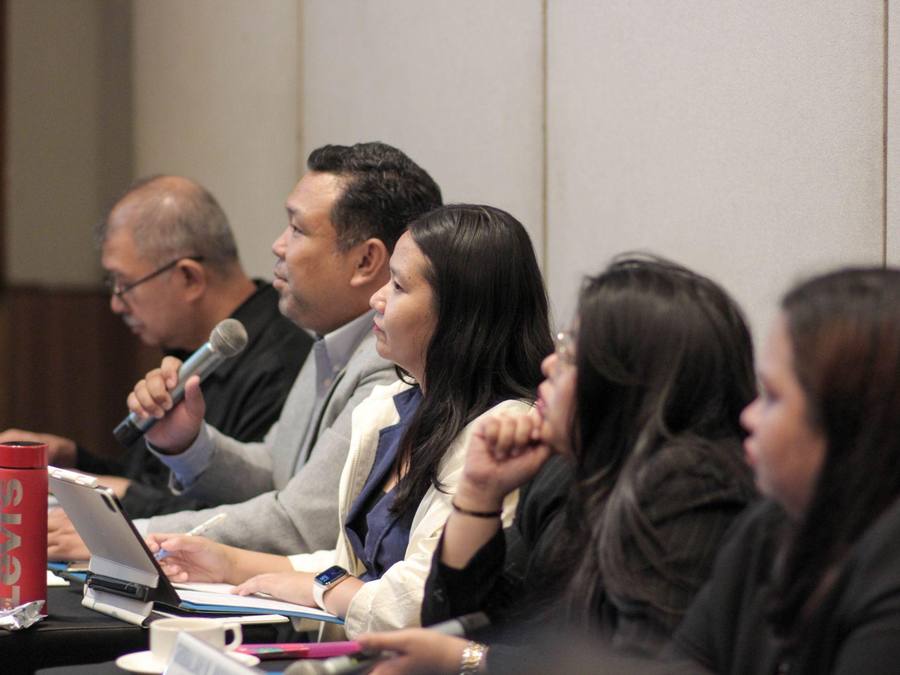
Teams play a five-minute video of the week's output to a panel of three entrepreneurs and faculty, then take twenty-five minutes of questions. The comments become the team's short list for the week ahead — nothing to write up afterwards.
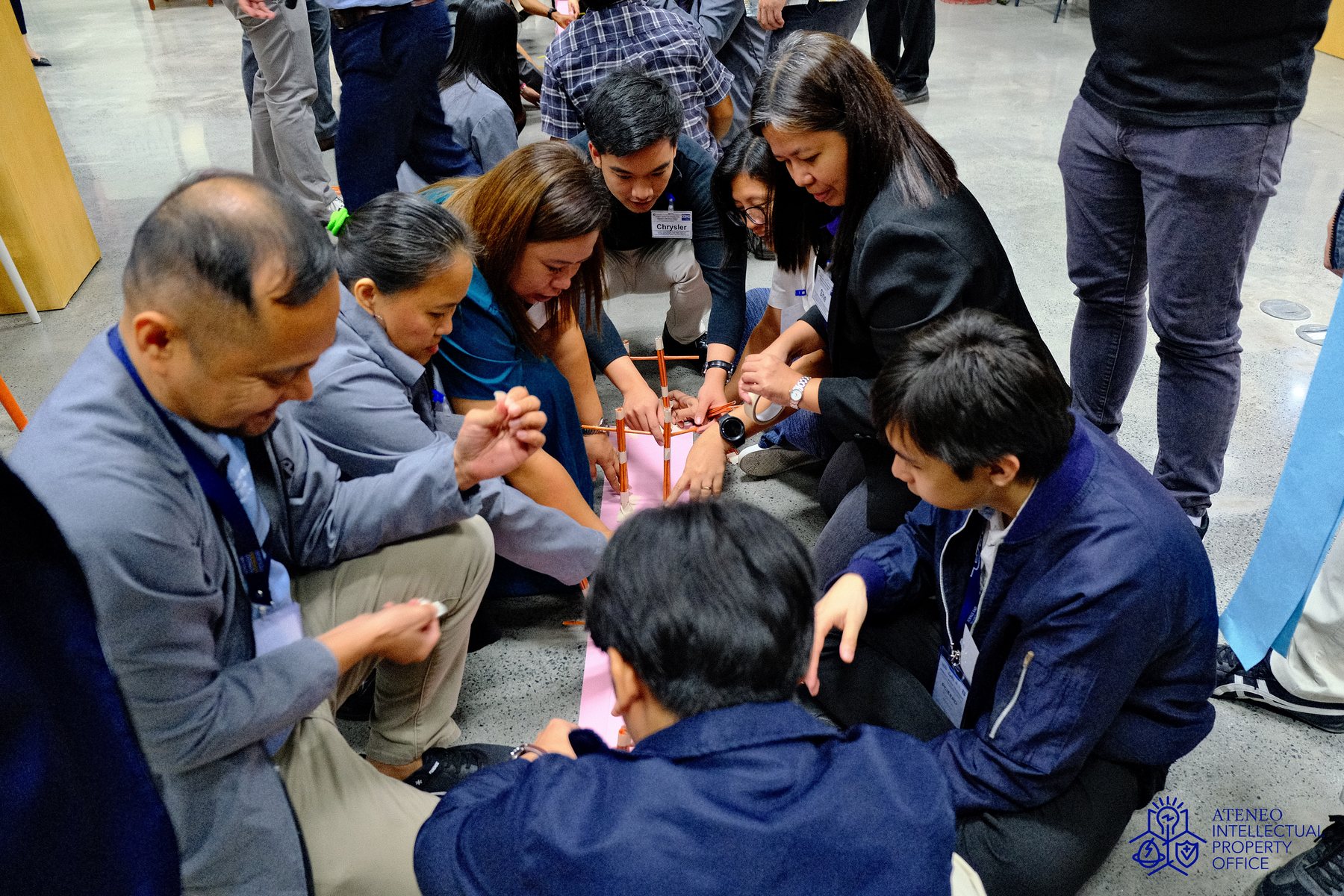
Everyone gathers in person twice before Demo Day. The Program Launch opens the cycle with team formation, an overview of technology entrepreneurship, pathway ideation and the mentor introduction. Halfway through, the Mid-Program Checkpoint brings a technology review, mentoring, pitch refinement and a business model validation workshop.
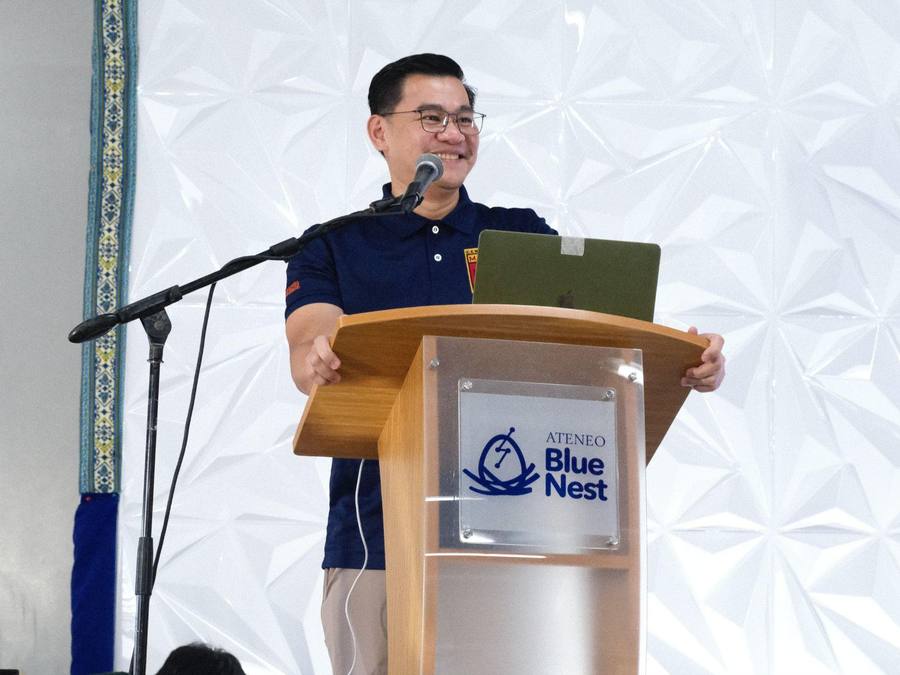
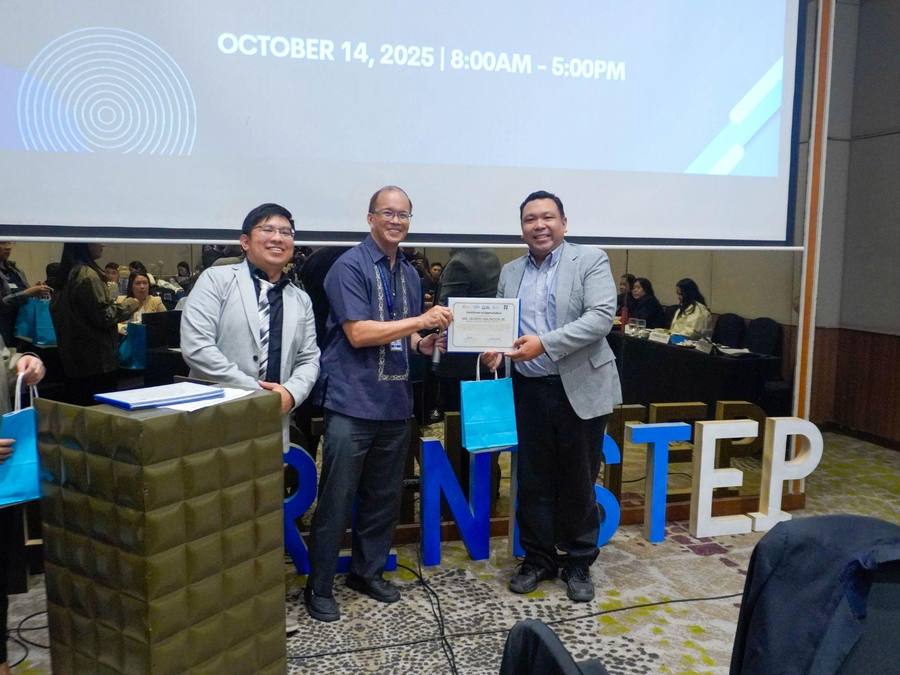
The cycle closes on site. On Demo Day teams give their final presentations, with their technology roadmap, and submit the FASTRAC capsule. The next day is the graduation ceremony and ecosystem networking.
October 20, 2026 to January 29, 2027, week by week. Learning sessions are on Tuesdays and feedback sessions on Saturdays, online, unless the schedule says otherwise.
Both run every teaching week, Week 2 to Week 11. The Christmas break, December 21 to January 3, is not counted as a week.
One topic per week. Open a week to see what teams produce.
Weekly deliverables, panel feedback scores and mentor reports.
Technical gaps closed, market and business model validated, spin-off simulation.
Market size, customer segmentation, evidence, and how well the pitch lands.
At least three team members present at every learning and feedback session.
Teams come from DOST-PCIEERD-funded projects, chosen on their Filipinnovation Entrepreneurship Corps performance, the market potential of their technology, and their commitment to the four hours a week the programme asks for.
Use the arrow keys to move between teams.
—
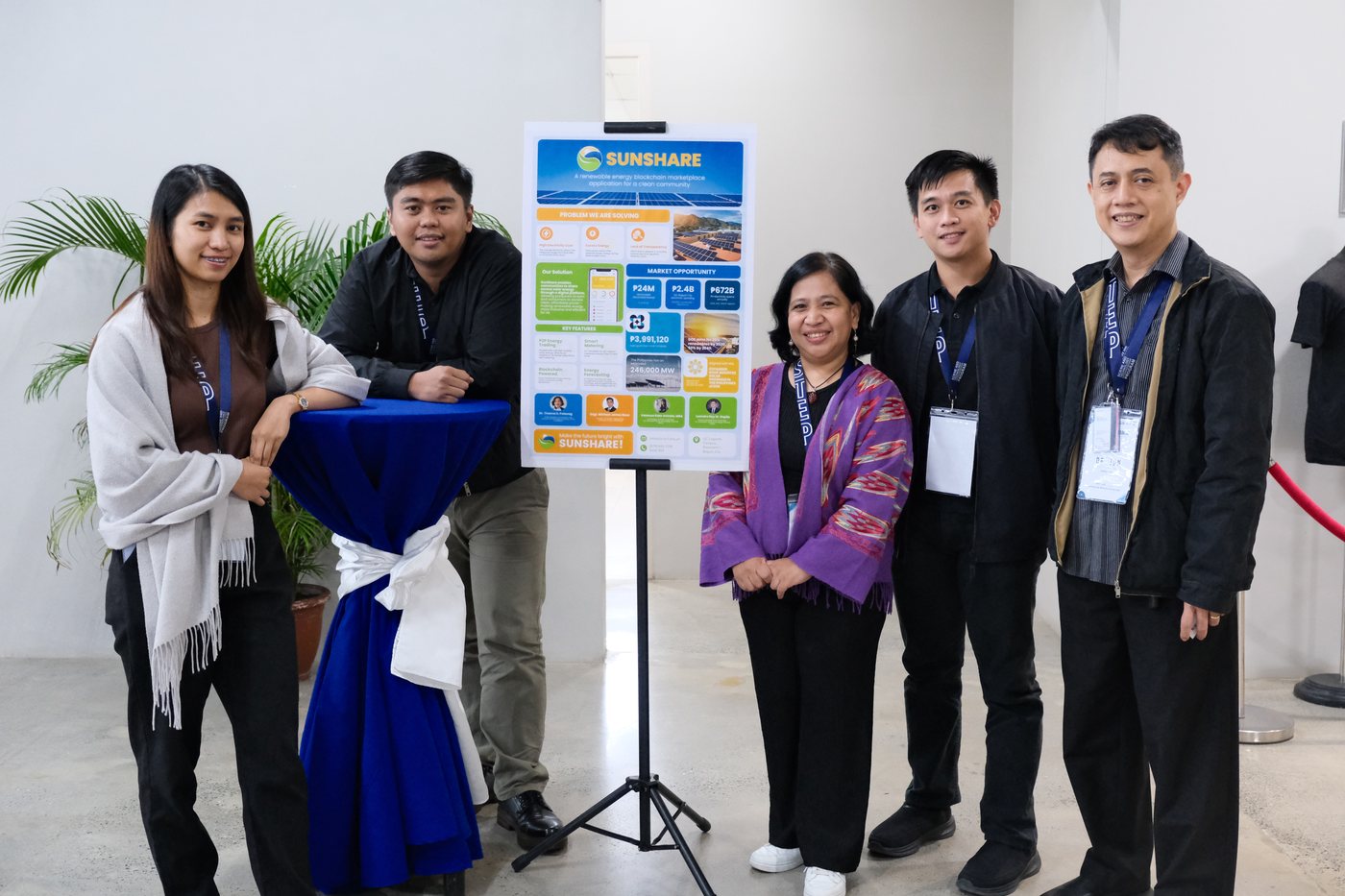
Ten research teams from eight institutions, from Baguio to Davao, each bringing a technology of their own making into the program. Teams keep working from their own laboratories for the whole cycle — SPRINT-STEP travels to them.
Each team holds a technology that is still being protected. This page carries the team name, the institution behind it and a single line describing the work — nothing on methods, results, data or filings. Team members, scores and outputs stay inside My Team's Work, which only that team can open.
Two files each week: the five-minute video your panel will watch, and the slide deck behind it.
Two files, then one button. Drag each file onto its box, or click the box to pick it from your computer.
MP4 or MOV
Choose a file or drag it herePDF or PPTX
Choose a file or drag it hereThis is a design mockup — files stay in your browser and nothing is sent anywhere.
—
—
Your mentor and your Saturday panel watch it from here. You can replace either file until the deadline — the newest version is the one they see.
Replacing removes your video and your slide deck from the STEP Hub permanently. Your mentor and your panel will no longer be able to watch them, and the record of this hand-in goes with them — including the date and time you submitted.
This cannot be undone.
Before you continue, make sure you still have your own copy of both files, and that the replacements are ready to upload.
| Week | Output | Due | Status |
|---|
Each point is one weekly output. Panels score every criterion from 1.00 to 4.00; the point is the weighted average of that session's panel.
One point per weekly output, on STEP's 1.00–4.00 rubric.
Your weighted average at every feedback session, on the same 1.00–4.00 rubric.
The dashed rule is the three-member minimum.
Learning sessions are Tuesday mornings; feedback sessions are Saturday mornings.
Whether each week's output was submitted on time, late, or not at all.
—
—
—
The Capstone workspace contains your team's live DOST Form 2 FASTRAC proposal draft and pitch deck. Please sign in with your STEP account to access this page.
24 items. Each week's topic points to the items it feeds, but every item is open — work ahead whenever you are ready.
—
Each week's slide appears here as soon as your team posts it on My Team's Work.
Slides are posted on My Team's Work, under each week. Click a week to see its slide above. A week still to come stays a dashed placeholder.
—
Post the slide deck and any other files for a session you are running. Participants see them on This Week (and the deck on the Program page) from the moment they are posted.
—
PDF, PPTX or Keynote
or click to choose a fileThis is a design mockup — files stay in your browser and nothing is sent anywhere.
You are posting a slide deck for
—
Participants will no longer see it on This Week or the Program page. This cannot be undone, but you can post a deck again at any time.
The full cycle, in order. Each session carries its coverage, the output the teams owe, and the slide deck once it is posted.
The planned activities each week, carried over from the STEP 2 mentors’ reports. Tick what the team completed and add a remark on each, then download the report, sign it, and upload the signed copy as your submission.
No STEP 2 mentors’ report exists for this week, so these activities are drafted from the week’s panel score sheet.
Wednesday to Friday. The Join button opens fifteen minutes before the slot and stays open until it ends.
—
Scale, weighting and the thirty-five-minute slots follow the STEP 2 panel score sheet. Each panelist scores on their own sheet; the team's mark for the week is the average across the panel.
—
Your account is recorded as the last editor. Make changes only when the panelist has asked you to, or to correct an error. You will be asked again when you open another panelist’s sheet.
The five-minute video and slide deck each team submitted. Pick the week and the team.
—
Three panels run in parallel from 9:00 AM. Each team gets thirty-five minutes — a five-minute video, then questions.